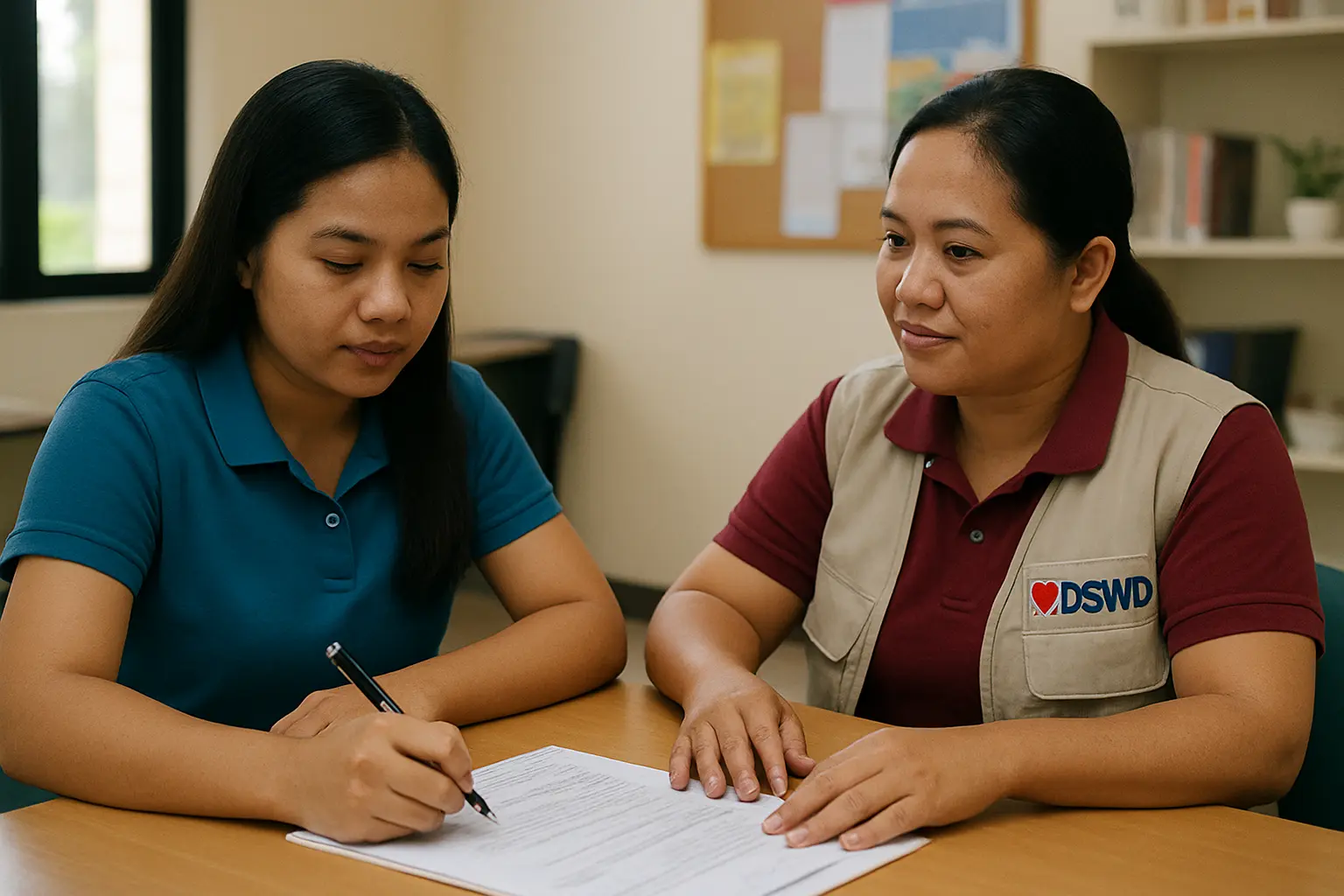
A Social Work thesis studying a vulnerable population does not start with a sample-size formula — it starts with who is willing and able to grant access, and what protocol that access requires. Once a DSWD-accredited agency, a school, or a community gatekeeper agrees to the study, the sample size and sampling technique follow from the population’s actual size and the design’s actual purpose: total enumeration for a small, fully known population; purposive or snowball sampling for a qualitative study of a hard-to-reach group; and Slovin’s formula only where the population is both large and reasonably countable, which is rarer with vulnerable populations than with a general survey population.
How Is This Different From the Ethics-and-Consent Guide Already on This Site?
This site’s Social Work ethics and consent guide covers the committee review, the consent form itself, and the extra protocols RA 7610 and RA 8371’s FPIC require for minors and indigenous respondents. This article covers the step before that: how many respondents the study actually needs, and how to reach them — the sampling plan a consent form gets built around, not a replacement for it.
What Counts as a “Vulnerable Population” in a Social Work Thesis?
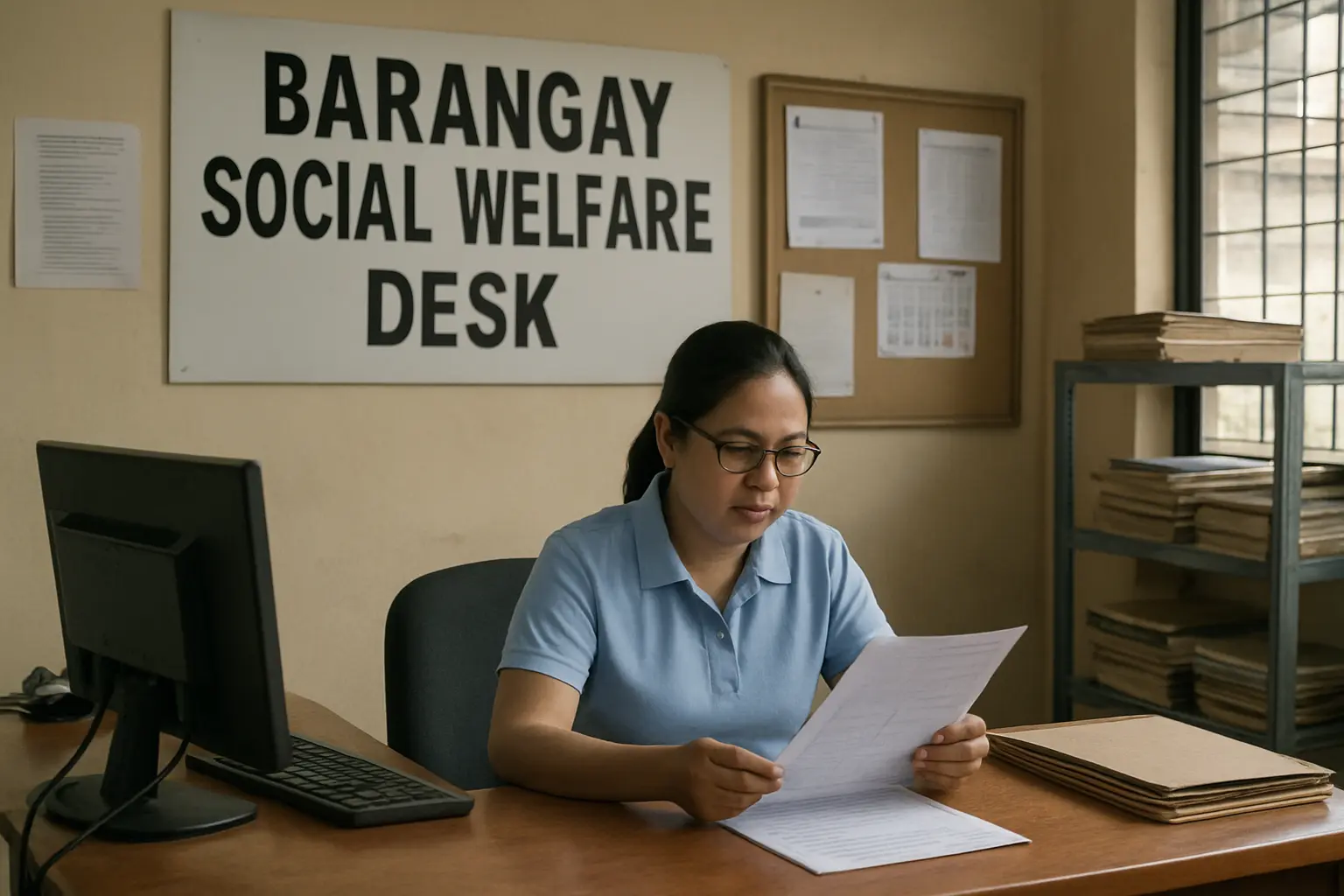
In Philippine social work practice and research, a vulnerable population is one facing elevated risk of harm, exploitation or exclusion that changes how a researcher may ethically and practically reach them: children in especially difficult circumstances, survivors of abuse or trafficking, persons with disability, older persons without family support, informal settler families, persons who use drugs in community-based rehabilitation, and indigenous communities. Each of these groups typically has a real institutional gatekeeper — a DSWD field office, an accredited residential or community-based facility, a barangay social welfare desk, a people’s organization — and the sampling plan has to route through that gatekeeper rather than approaching individuals directly.
Total Enumeration or a Computed Sample — Which Fits a Vulnerable Population?
Total enumeration (surveying every member of a known, accessible population rather than a sample of it) is the right choice far more often with vulnerable populations than with a general population, simply because the accessible population is usually small — all clients currently enrolled in one center’s program, all households in one barangay’s 4Ps roster, all residents of one shelter. Where the population genuinely is large enough to need sampling, Slovin’s formula (the same computation covered for other courses in this site’s Chapter 3 guide) still applies, but the sampling frame itself — the actual list the sample is drawn from — must come from the gatekeeper agency’s own records, never assembled independently by the researcher, which is both an ethical and a practical requirement when the population is vulnerable.
How Many Interviews Does a Qualitative Study of a Vulnerable Population Need?
For a qualitative or case-study design — often the better fit for a vulnerable population, since it allows a smaller, more carefully consented respondent group — the guiding standard is thematic saturation: continuing interviews until no new themes emerge, more often than any fixed number. This site’s general qualitative-sample-size guide covers the saturation evidence and the Chapter 3 write-up for any course; what changes for a vulnerable-population study specifically is the sampling technique used to reach that saturated sample — purposive sampling through a single trusted gatekeeper, or snowball sampling where existing participants refer others facing the same circumstance, both far more common here than the convenience sampling a general-population study might use.
What Inclusion and Exclusion Criteria Does a Panel Expect to See Stated?
Every vulnerable-population thesis needs explicit inclusion and exclusion criteria stated in Chapter 3, not left implicit in the gatekeeper’s own selection: age range, length of time enrolled in the program or facility, current risk status (a panel will ask how a study protects a respondent currently in crisis from being drawn into research that could add stress), and consent capacity — whether the respondent can consent directly or requires a guardian’s consent in addition to their own assent. Excluding respondents currently in active crisis, or requiring a social worker’s clinical judgment before approaching any individual respondent, is standard practice a panel expects to see justified, not assumed.
Worked Inclusion and Exclusion Criteria for Three Common Vulnerable-Population Topics
| Population | Typical Inclusion Criteria | Typical Exclusion Criteria |
|---|---|---|
| Children in especially difficult circumstances (CICL/CNSP) in a residential facility | Currently enrolled in the facility’s program for at least one month; assessed by facility staff as emotionally stable enough for a low-stakes interview | Currently in an active crisis or disciplinary episode; assessed by staff as too newly admitted to have adjusted |
| Survivors of abuse accessing a DSWD-accredited crisis center | Case formally closed or in a stable, ongoing-support phase; already receiving counseling from the center’s own staff | Case still under active investigation or legal proceeding where research participation could complicate testimony |
| Persons who use drugs in a community-based rehabilitation program | Voluntarily enrolled and at least one month into the program; program staff assessment of readiness to participate | Court-mandated participants where consent may not be fully voluntary; anyone in an active relapse or crisis period |
Every row above illustrates the same underlying rule: the exclusion criteria exist to protect a respondent from being drawn into research during a period when participation itself could cause harm, and a facility’s own staff — not the researcher — are usually best placed to make that judgment call before the researcher is introduced to a specific individual.
How Should the Access Pathway Itself Be Documented in Chapter 3?
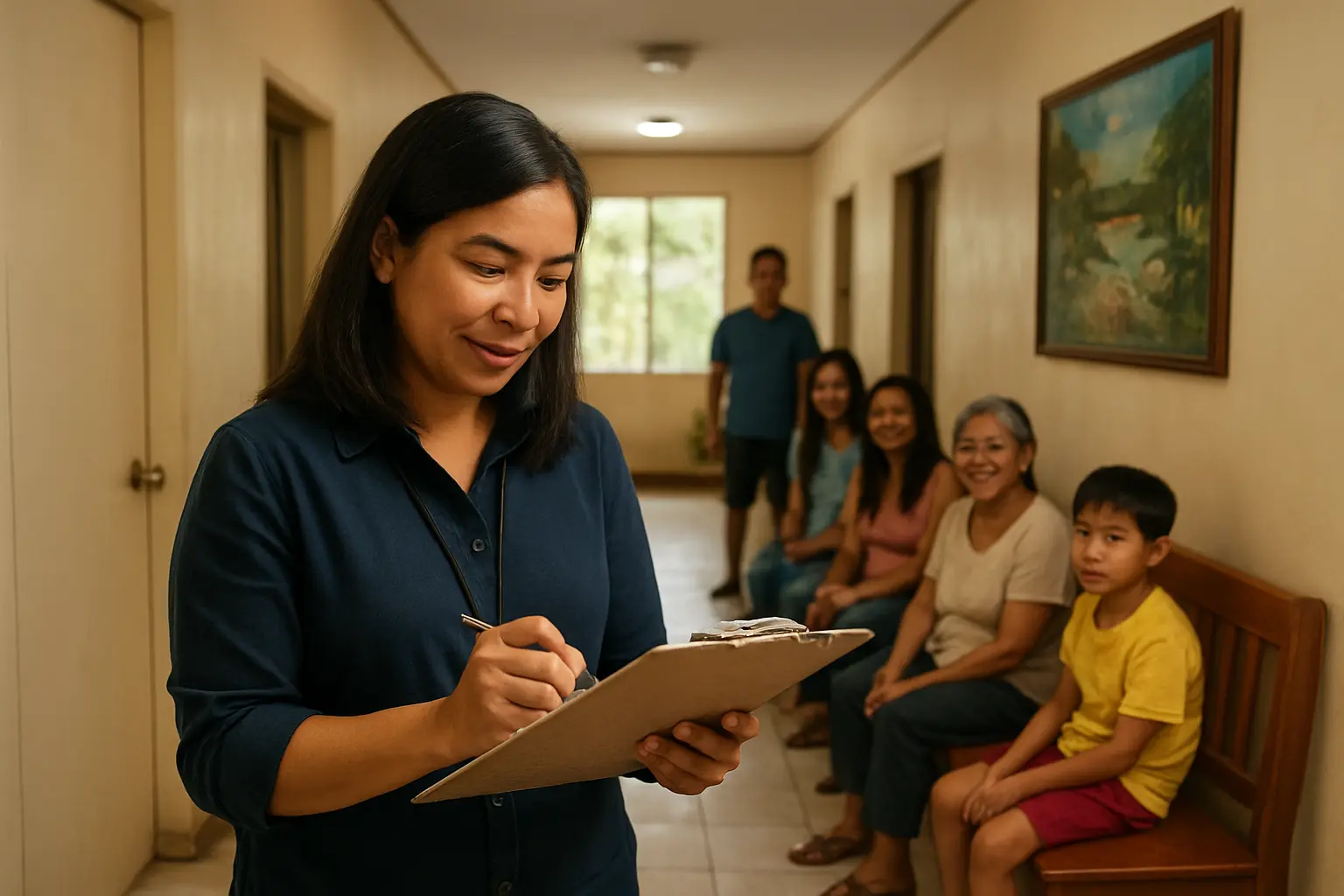
A panel expects the access pathway written out as its own short subsection, not folded silently into the sampling-technique paragraph: which agency or office granted access, what internal review that agency conducted before agreeing, what role agency staff played in the actual recruitment, and what the researcher committed to in return — a copy of the finished thesis, a presentation of findings back to the agency, or a data-sharing limitation. Naming this explicitly does two things at once: it gives the panel confidence the access was genuinely and ethically secured, and it gives the next student who wants to study a similar population at the same agency a documented precedent to build on.
How Does This Relate to the Interview-Guide Piece Already on This Site?
Once the sampling plan above determines who will be interviewed and roughly how many, this site’s focus-group and interview-guide article covers how to structure the actual conversation — the opening, the main questions, the probes and the closing. The two pieces are sequential steps in the same Chapter 3: sampling first, instrument-guide second.
What Should the Limitations Section Say About a Vulnerable-Population Sample Specifically?
A limitations section for this kind of thesis needs more than the generic “small sample size” line every course’s Chapter 5 template suggests — it should name the specific trade-off the sampling plan made and why. A total-enumeration study of one facility should state plainly that findings describe that facility’s population and may not generalize to a different agency, a different region, or clients not currently enrolled in a program. A purposive or snowball sample should name the referral pattern as a limitation on its own terms — participants reached through one gatekeeper or one another’s networks are not a random cross-section of the wider vulnerable population, and a panel reads a limitations section that states this directly, rather than glossing over it, as more methodologically honest, not weaker. Naming the limitation is also what gives the recommendations section its own clear next step: a future study expanding to a second site, or a different recruitment pathway, follows naturally once the current study’s boundary has been stated precisely.
Frequently Asked Questions
Can a Social Work thesis approach vulnerable respondents directly, without going through an agency?
This is strongly discouraged and often disallowed by a research ethics committee — direct, unmediated approach to a vulnerable individual outside an agency’s protective structure raises both ethical and safety concerns; the standard, expected pathway is agency-mediated access, with the agency’s own staff making the initial approach and gauging willingness before the researcher is introduced.
What if the accessible population at one agency is too small for any meaningful sample?
This is common and usually solved by widening the locale to two or three agencies of the same type rather than lowering the study’s standards — a multi-site total enumeration across several centers is both more defensible and more feasible than pushing one small site’s numbers past what it can support, and it is worth negotiating multi-site access at the proposal stage rather than discovering the shortfall mid-data-collection.
Does snowball sampling introduce bias a panel will flag?
It introduces a known, well-documented limitation — respondents referred by existing participants tend to share similar characteristics — and a strong Chapter 3 states this directly in the limitations section rather than presenting snowball sampling as bias-free; for a hard-to-reach population, panels generally accept the trade-off as the price of being able to reach the population at all.
How is sample size justified differently for a quantitative survey of a vulnerable population versus a general population?
The formula itself (Slovin’s, or a confidence-interval-based calculation) does not change, but the justification paragraph should additionally address why the accessible population differs from the true population size — vulnerable populations are frequently undercounted or only partially captured in any single agency’s records, and a transparent statement of that gap strengthens the methodology section rather than weakening it.
Do minors in a vulnerable population always need both parental consent and their own assent?
Yes, under standard Philippine research-ethics practice and consistent with RA 7610’s child-protection framework covered in this site’s ethics-and-consent guide — both a parent or legal guardian’s consent and the minor’s own age-appropriate assent are required, and a facility’s own child-protection policy may add further requirements the researcher should confirm before finalizing the sampling plan.
Can a thesis use secondary data from an agency instead of directly sampling individuals?
Yes, and it is often the safer choice for a highly sensitive population — de-identified case-record data an agency agrees to share, analyzed in aggregate, avoids direct contact with vulnerable individuals entirely while still producing a legitimate Chapter 4, though it requires its own data-sharing agreement and Data Privacy Act compliance review before access is granted.
Should the sampling plan differ between a barangay-level and a facility-level vulnerable-population study?
Yes — a barangay-level study (surveying households receiving 4Ps assistance, for example) typically works through the barangay social welfare desk and the local government’s own beneficiary list, while a facility-level study (a residential center, a rehabilitation program) works through that facility’s admission records instead; the gatekeeper and the sampling frame differ even when the underlying population category is similar.
How long should the access-negotiation phase be budgeted for in the thesis timeline?
Longer than most groups initially plan — securing agency-level approval for a vulnerable-population study routinely takes several weeks beyond a standard research ethics committee review, since the agency itself typically conducts its own internal review of the request before any researcher is introduced to potential respondents; building this into the timeline from the proposal stage, rather than discovering the delay mid-semester, is what keeps the overall schedule realistic.
What happens if an agency withdraws access after data collection has already started?
This is a real risk a limitations section should acknowledge even when it does not occur — most programs advise having a documented backup site identified during the proposal stage precisely for this scenario, and a group whose access is withdrawn mid-collection should report the completed portion honestly, with a stated, defensible reason, rather than attempting to disguise the shortfall in the final write-up.
Does an online or phone interview change the sampling plan for a vulnerable-population study?
It changes the access and privacy considerations more than the sampling technique itself — the same gatekeeper-mediated purposive or snowball approach still applies, but the researcher and the agency should agree in advance on where a respondent can take the call or video interview privately, since a household or shared facility space may not offer the confidentiality an in-person interview room does, and the agency’s own staff are usually best placed to judge whether a given respondent has that option available.
Building a sampling plan that fits your own agency partner, your own population and your own design — rather than a generic formula copied from an unrelated course — is exactly the kind of section-by-section drafting work Tesify is built to walk a Social Work group through.